

Motorized Shades
Motorized Shades in Frisco, TX
Motorized roller shades and drapery on schedules and sun sensors — for the west-facing glass that makes a room unusable at 4 p.m.
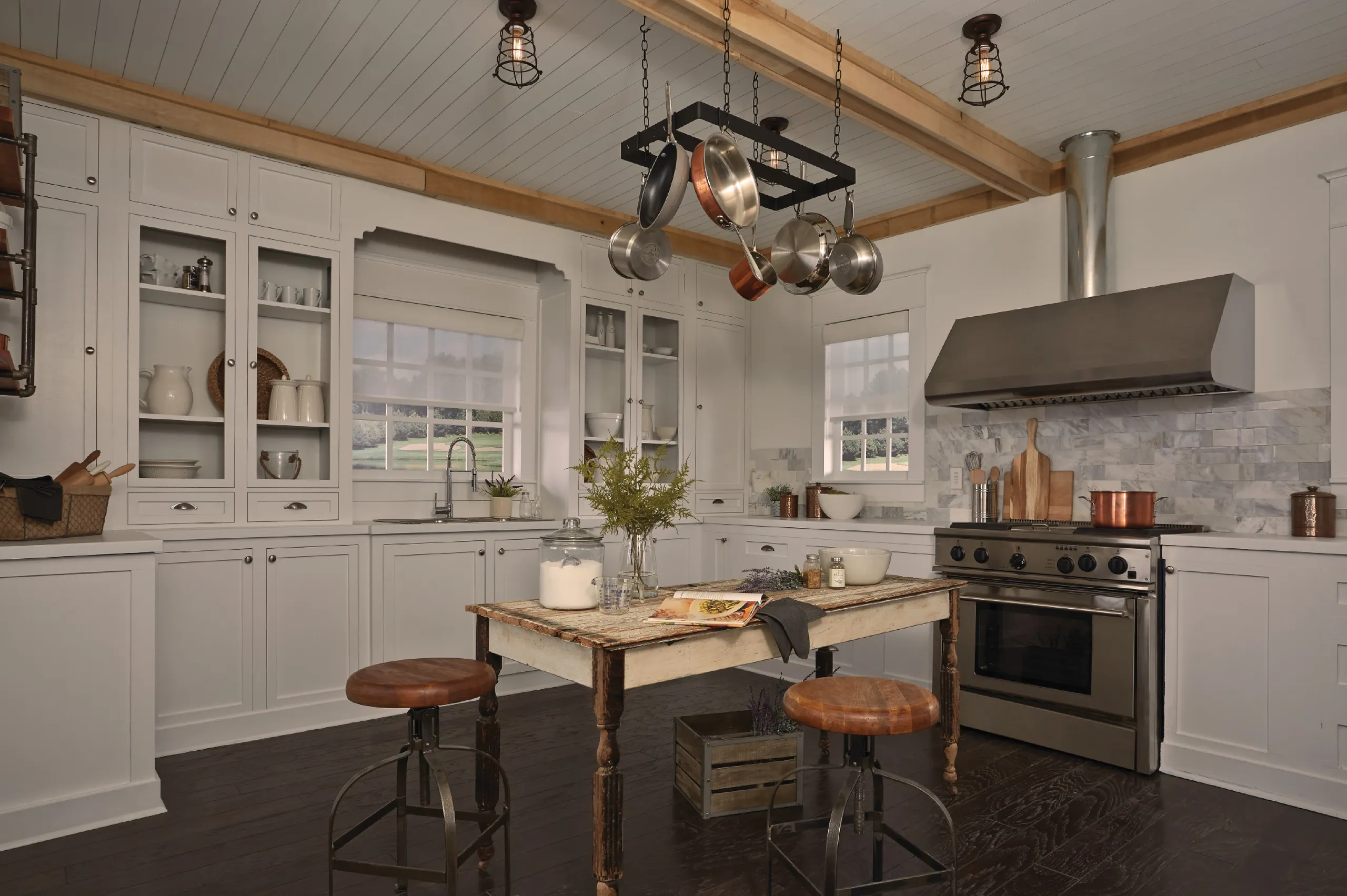
North Texas houses are built with a great deal of glass, and glass is where the afternoon goes wrong. West-facing rooms gain heat faster than a thermostat can answer, screens wash out, and the air conditioning runs against a wall of sun. Shades on a schedule fix the cause instead of the symptom: the fabric drops before the room heats, not after someone notices.
Before the proposal
What decides your project
The inputs that size the work, then what a proposal includes and what you supply.
Which openings actually need it?
Orientation and glass area decide. West-facing and two-story glass drive most enquiries; north-facing rooms often need nothing.
Screen or blackout?
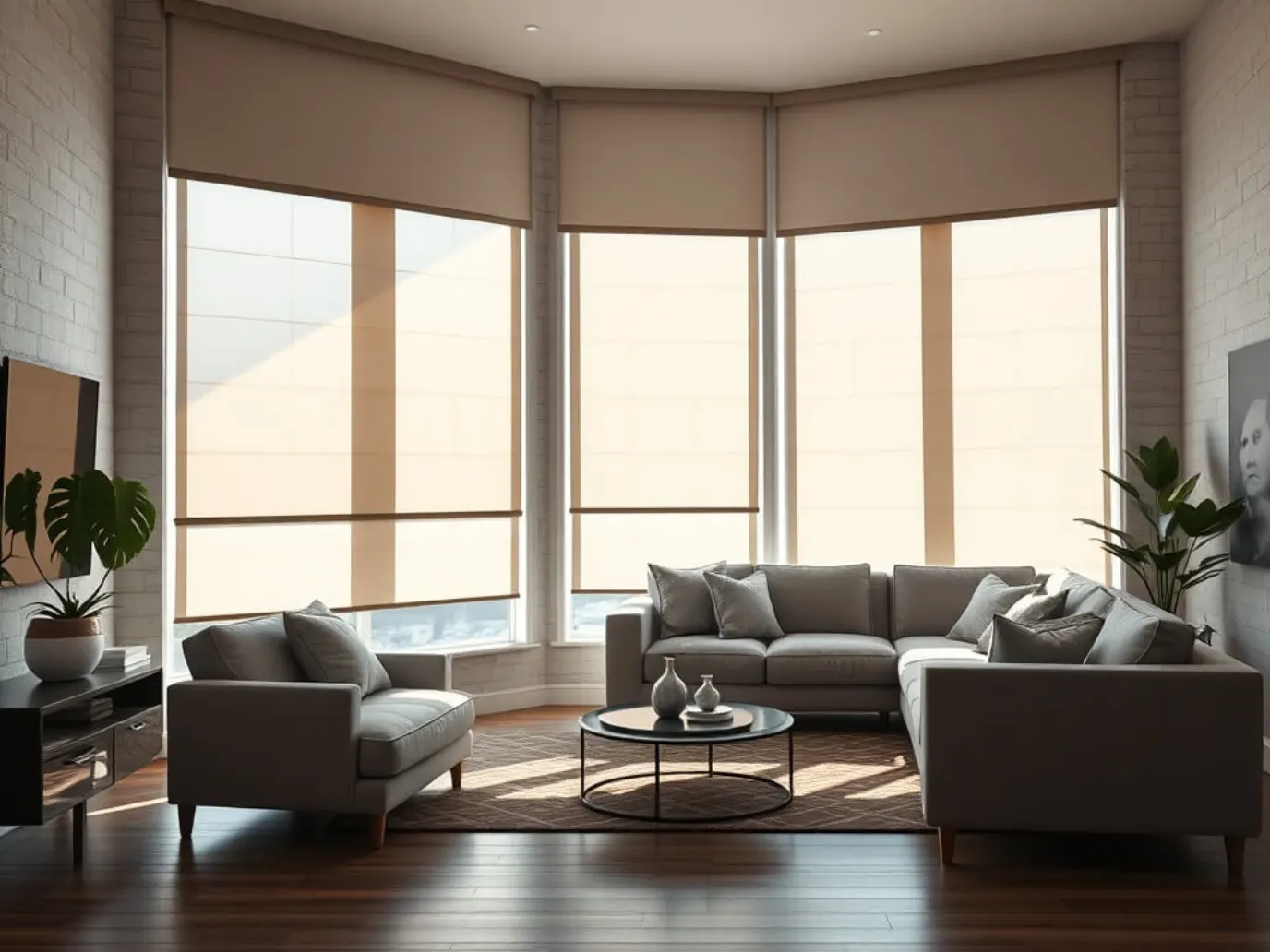
Open-weave screens keep the view and remove glare in living areas; blackout liners are for bedrooms, media rooms, and nurseries. Dual rollers carry both on one opening. Fabric openness, color, and liner are chosen per opening, with samples viewed against the room's finishes in its actual light.
Battery or hardwired?
Battery motors suit finished homes and avoid opening walls. Hardwired motors suit new construction and any opening too high to service comfortably.
Standalone or on the house system?
Shades run on their own schedules, and on the same platform as Lutron lighting they share keypad buttons and join Control4 or Savant scenes.
Scope ledger
Confirmed in writing before equipment is ordered.
- Included in the proposal
- Complimentary phone consultation, per-opening measure, written line-item proposal
- Fabric, liner, and hardware selection against the room's finishes
- Motor installation, addressing, alignment, and stored stop positions
- Time-of-day and sun-position schedules, adjusted after the first weeks
You or facilities provide
- Which rooms are the problem, and at what hour
- Builder and trim-carpentry coordination where pockets are framed
- Fabric approval from the samples viewed in the room
Screen, blackout, or dual rollers?
| Option | What it is for | Typical rooms |
|---|---|---|
| Screen fabric with 3–5 percent openness | Glare control while keeping the outside visible | Living areas |
| Blackout liner | Darkening rooms used for sleep or watching a screen | Bedrooms, nurseries, and media rooms |
| Dual rollers | A screen and a blackout on the same opening | Rooms needing each at different hours |
Local team
Digitalholics LLC
8105 Rasor Boulevard, Suite 211, Plano, TX 75024
Packages
Scope by opening count
Scope grows by opening count, from one problem elevation to the whole house.
Problem-Room Package
The one or two rooms that are unusable in the afternoon.
- Motorized roller shades on the problem elevation
- Screen fabric selected for glare control with the view kept
- Battery or hardwired motors chosen per opening
- A time-of-day schedule set to that room's orientation
- Alignment set and stored at commissioning
Main-Level Package
Every window on the living floor moving together.
- Roller shades across the main living areas and kitchen
- Heights aligned per elevation, hembars set level
- Sun-sensor automation on the elevations that need it
- Keypad control alongside the room's lighting scenes
- Blackout liners in adjoining bedrooms where wanted
Whole-Home Shading Package
Every opening in the house on one system, joined to lighting and automation.
- Roller shades, dual rollers, and motorized drapery as each opening requires
- Pockets on new construction; matched hardware on retrofits
- Shades in the same scenes as lighting, climate, and audio
- Specialty and oversized openings measured and specified individually
- Remote monitoring and scheduled software updates
Motorized Shades
We specify roller shades, drapery tracks, and the hardware that carries them, and we install them as part of the lighting and automation system rather than as a separate window-covering purchase. Fabric openness decides what you keep — a 3 percent screen keeps the view and kills the glare, a blackout liner is for bedrooms and theaters. Where a window is doing two jobs, dual rollers put a screen and a blackout on the same opening.
Alignment is the craft. Shades on one wall are set to stop at the same height, hembars hang level, and pockets are sized so the roll disappears into the ceiling detail. On a new build the pockets are drawn before framing; on a finished house the brackets are placed to the trim that already exists. After handover the Plano team keeps the system on remote monitoring and answers (469) 666-0747 directly.
A window pocket has to be drawn before framing, or the shade ends up surface-mounted on the finished wall. On new construction we draw the pocket and run power to the opening ahead of drywall. On finished homes each shade starts with a check of the window, trim, ceiling detail, and available power: a battery-powered retrofit needs no wall work, while a hardwired motor needs a planned run to the opening.
Cost and product notes are in motorized shades cost in Frisco and what motorized shades and blinds do in a room.
How we approach the work
The fabric drops before the room heats, not after someone notices.
What’s included
- Roller shades, dual rollers & drapery
- Sun-sensor and schedule automation
- Aligned heights, level hembars
- Lutron Gold Dealer & Hunter Douglas
Ahead of the heat, not behind it
Shades drop on time of day and sun position, so a west room is already covered when the sun reaches it. The thermostat stops chasing a problem the glass created.
Fabric chosen per window
An open-weave screen keeps the view and cuts the glare; a blackout liner is for sleeping and for screens. Dual rollers put both on one opening where the window has to do two jobs.
A wall that lines up
Shades on the same elevation stop at the same height and hang level. Alignment is set at commissioning and stored, so they return to it every time.
Start with a complimentary consultation
Start with a ConsultationNo obligation · We aim to respond within one business day
The Craft
Every opening is measured on its own
Nothing is ordered from a plan dimension. Each window is measured, its fabric chosen against the room's finishes in that room's light, and its stop height set so every shade on the elevation lands in the same place. Those positions are stored, not re-found each morning.
Aligned stop heights, level hembars, and fabric chosen per opening — set at commissioning and stored, so the wall returns to it every run.
Select any photo to enlarge
Shades on one elevation stop at the same height.
The same wall, fully closed — hembars still level.
Fabric colour is chosen against the room, not from a screen.
A partial drop kills the glare without losing the view.
Patio glass is usually the elevation that started the enquiry.
A closed screen still reads as fabric, not as a blank panel.
Show all 13 photosShow fewer photos
Matching mid heights are a stored position, not a daily fiddle.
Hembar and fabric are specified as one piece.
The tube sizes the pocket — which is why pockets are drawn early.
A dual bracket carries a screen and a blackout on one opening.
Privacy and glare are the same fabric decision in a bathroom.
Bedrooms take a blackout liner on a schedule.
A nursery gets a control point that does not need a phone.
Our Process
From measure to a wall that lines up
Every opening is measured individually — nothing is ordered from a plan dimension.
Complimentary phone consultation
We start on a call: which room is the problem and at what hour, how many openings, how high they sit, and whether anything needs real blackout. No charge, no obligation. If it is a fit, we book the measure visit.
Room walkthrough
We go through the rooms at the hour they are a problem, and note orientation, glass area, and what each window is actually for — view, sleep, or screens. You leave with a written scope and a line-item proposal.
Measure & fabric selection
Every opening is measured individually; nothing is ordered from a plan dimension. Fabric openness, color, and liner are chosen against the room's finishes, with samples held up in the actual light rather than picked from a screen.
Pockets or brackets
New construction gets pockets drawn and framed so the roll is hidden in the ceiling detail. Finished homes get brackets set to the existing trim, with the fascia or hardware chosen to match what is already on the window.
Installation & alignment
Motors are installed and addressed, then heights are set so every shade on an elevation stops in the same place and every hembar hangs level.
Schedules & sun logic
Shades are put on time of day and sun position for the rooms that need it, then adjusted after the household has lived with them. When you want a change later, call (469) 666-0747 and reach the same team.
Property Types
Which room started this
Most enquiries start with one room and one hour of the day.
West-facing and two-story glass
The rooms that drove the enquiry. Tall or west-facing glass gains heat faster than a thermostat setback can answer, and screens are unusable in the afternoon. Sun sensors and time-of-day schedules drop the fabric before the room heats rather than after.
New construction
Shade pockets are drawn during design and framed with the ceiling, so the roll and the fascia disappear into the detail. Power is run to each opening during rough-in, which removes batteries from the picture entirely on high windows.
Finished-home retrofit
Brackets mount to existing trim and battery motors avoid opening any wall. Rooms are done one at a time, so a house stays livable throughout and the work can stop at the end of any day.
What we install
Brands we install & support
The shading and control lines we are certified to specify, and the platforms they run on.


Common Questions
Questions about motorized shades
01How much do motorized shades cost in a Frisco home?
Cost follows opening count, opening size, fabric, and whether the motors are battery or hardwired. Oversized and specialty shapes cost more than standard windows. After a complimentary phone consultation, we write a line-item proposal per opening rather than quoting a house average.
02Battery or hardwired motors?
Battery motors suit finished homes: no wall opening, and the batteries are changed on a long interval. Hardwired motors suit new construction and any opening that is hard to reach, because nothing has to be recharged on a ladder. We specify per opening, not per house.
03Which fabric should I choose?
Openness is the decision. A 3 to 5 percent screen keeps the outside visible while removing glare and heat, which is what most living areas want. Bedrooms, media rooms, and nurseries usually want a blackout liner. A dual roller carries both on one opening when the room needs each at different hours.
04Do shades work with my lighting or automation system?
Yes. As a Lutron Gold Dealer we run shades on the same platform as the lighting, so one keypad button can set the lights and the shades together. Where a Control4 or Savant controller is present, shades join the same scenes as climate, audio, and security.
05Can shades be added to a finished house?
Routinely. Brackets mount to the existing trim or ceiling, and battery motors mean no wall is opened. Work is done a room at a time; nothing has to be finished in one visit.
06Who services them later?
The same Plano team. Remote monitoring catches most faults before you call, and alignment and schedule changes are handled from the project file. Call (469) 666-0747 during posted hours (Mon–Fri 9:00 AM – 6:00 PM · Sat 10:00 AM – 1:00 PM).
07Do you install motorized shades in Frisco homes?
Yes. We install roller shades, dual rollers, and motorized drapery, then set the fabric, motor, and mounting method for each opening. New construction can hide hardwired motors and pockets during framing. Finished homes can use battery motors and brackets fitted to the existing trim, with lighting or automation integration when specified.
08Can motorized shades be controlled by voice?
Hunter Douglas PowerView shades offer voice control as well as button, mobile-device, and scheduled control. This is a PowerView feature, so it should not be assumed for every motorized shade system.
09How do motorized shades reduce lift-cord risk for children?
Hunter Douglas PowerView shades lack lift cords, reducing the exposed-cord risk compared with shades that have them.
10Can shades be scheduled for the room they are in?
Yes. We set time-of-day and sun-position schedules to the room’s orientation. A west-facing room can be covered before the afternoon sun reaches it. Schedules are adjusted after the household has lived with the shades.
11What about windows I cannot reach?
Hardwired motors suit openings that are too high to service comfortably because their batteries do not need recharging on a ladder. On new construction, power is run to each opening during rough-in. In a finished room, a hardwired motor needs a planned power run; we specify the motor per opening.

More Residential
Complimentary Consultation
Start with a complimentary consultation
Tell us about your space and what you want it to do — if it is a fit, we book the walkthrough, then send a written, line-item proposal. You approve the scope before anyone books a crew.
- A complimentary phone consultation. No obligation.
- A written proposal before any work is scheduled.
- We aim to respond within one business day.
No obligation · We aim to respond within one business day